More Tools, Not Fewer Adventures
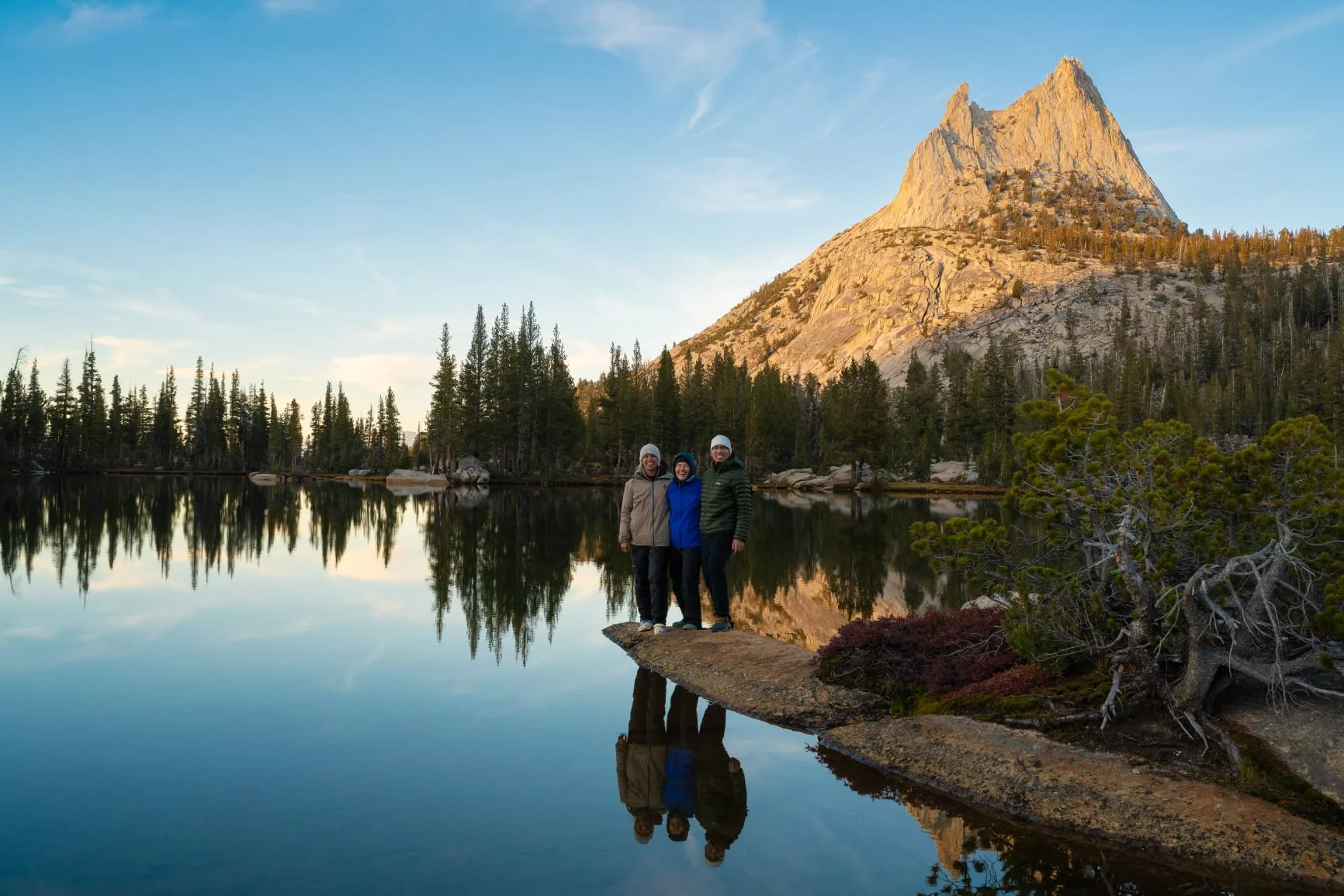
As you're reading this, my brother and I are somewhere in the Sierras. We've made a backpacking trip together a non-negotiable annual tradition, and this year we're crossing from the June Lake area into Yosemite for a few days in the mountains.
Whenever I get ready for one of these trips, I think about a physical therapy appointment I had in my early twenties.
At the time, I was working as a backpacking guide for kids. I spent much of my life outside—leading backpacking trips, carrying heavy packs, hiking for work, and sleeping on the ground. Eventually, my knee started hurting enough that I decided to see a physical therapist.
After hearing about my job and how much time I spent hiking, she asked, "Have you considered getting a different job?"
I understood what she meant, but the question stayed with me. I wasn't looking for permission to stop. I was looking for a way to continue. I wanted more tools, not fewer adventures.
Over the years, I've found them.
I learned that strengthening my vastus lateralis made a difference. I learned how and when KT tape could provide support. I started prioritizing recovery instead of treating it as an afterthought. Ice plunges, sauna sessions, bodywork, movement, sleep, hydration, topical pain relief, trekking poles—none of these things are magic on their own, but together they've become part of how I care for myself.
I've also learned to be honest with myself. Some years I've felt strong and capable. Other times I've needed to scale back, adjust my expectations, choose a shorter route, or think carefully about who I'm heading into the backcountry with. Staying active isn't about ignoring what my body is telling me. It's about listening closely enough to respond.
I've stopped looking for a single solution and started building a toolbox.
As a massage therapist, I see this with clients all the time. We often want one answer: the stretch, the exercise, the treatment, the fix. But more often, caring for our bodies is a practice of paying attention, gathering tools, and using the right ones at the right time.
The goal isn't to push through pain at all costs. And it's not necessarily to avoid discomfort altogether, either. The goal is to stay connected enough to your body that you can continue doing the things that make you feel alive.
For me, that's backpacking through the Sierra with my brother.
For you, it might be running, gardening, surfing, traveling, dancing, chasing your kids around, or simply feeling good enough in your body to enjoy your everyday life.
Whatever it is, I hope you're building a toolbox that helps you keep saying yes to the things you love.
More tools, not fewer adventures.
Whether it's massage, movement, recovery practices, or simply learning to listen to your body a little more closely, investing in your well-being isn't about fixing yourself. It's about giving yourself the support you need to keep doing what matters most.
If your body has been asking for a reset lately—whether from training, stress, or just feeling a little disconnected—I’d love to support you in a session.