What I See Most Often in Massage (And What Often Helps)
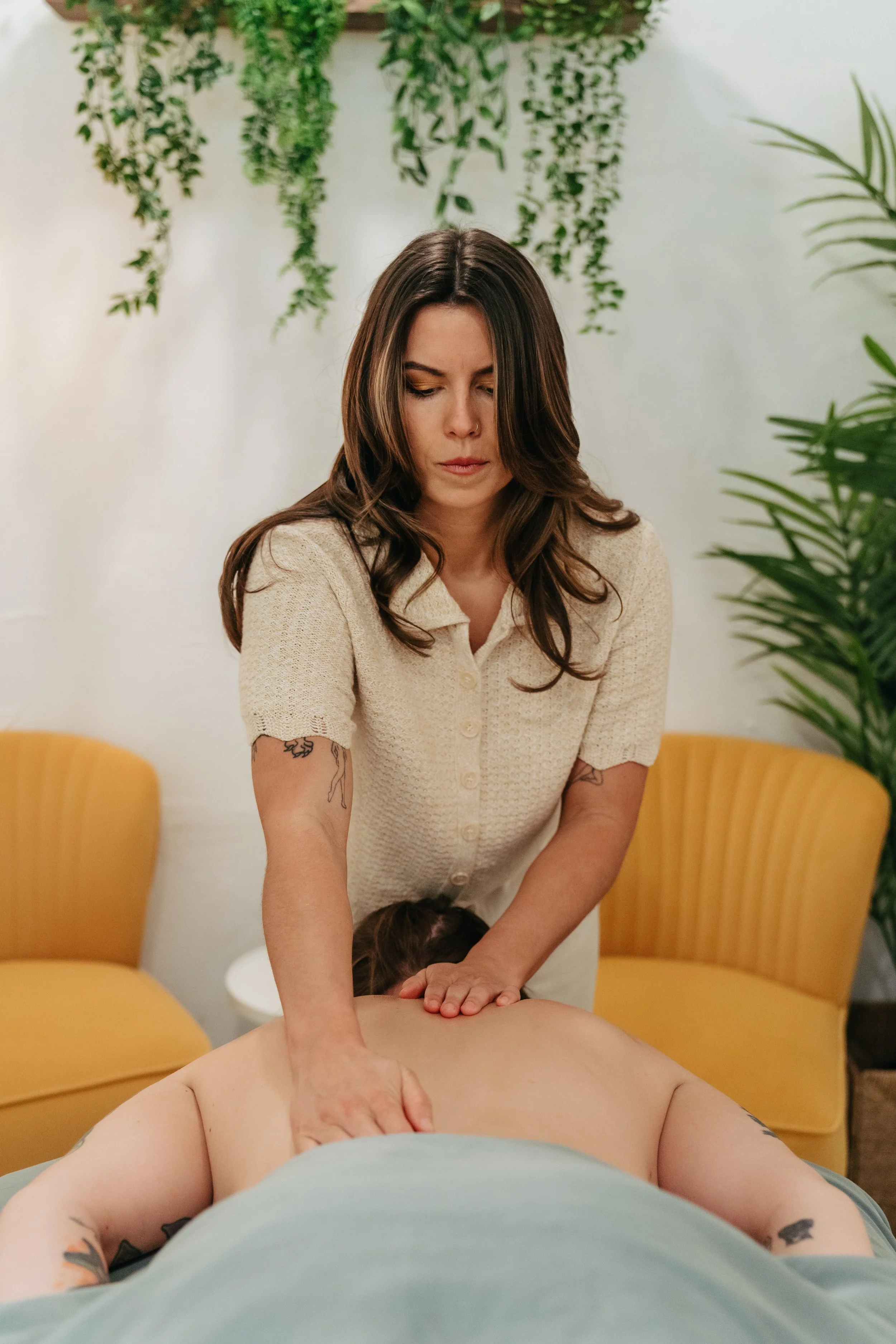
After working with many bodies over the years, certain patterns show up again and again. Not because people are broken — but because bodies are responding intelligently to stress, posture, movement habits, and the pace of everyday life.
Here are three of the most common patterns I notice in my massage work, along with some supportive approaches that often help bring balance back into the body.
Neck and shoulder tension
Neck and shoulder tension is rarely just about posture. What I often feel is a combination of stress, shallow breathing, jaw tension, and a body that’s been spending a lot of time forward-facing.
Stretching and pressure can feel relieving in the moment, but I often notice more lasting ease when the chest and front of the body are also invited to open. When the front of the body has space, the upper back doesn’t have to work as hard to hold us upright.
Supportive things to explore:
Gentle chest openers
Bringing awareness to your breath, especially letting the exhale soften
Giving your upper back somewhere to rest (a chair, wall, or headrest)
Low back discomfort
Low back pain is often less about one tight spot and more about how the body is sharing load. I frequently notice fatigue here, along with glutes and abdominal muscles that aren’t fully supporting the back, leaving it to do more work than it should.
Stretching can feel good, but over time balance and support tend to matter more than flexibility alone.
Supportive things to explore:
Gentle strengthening of the glutes and core
Changing positions throughout the day
Resting with knees bent or supported
Hip tightness
Hips do a lot — stabilizing, walking, sitting, holding us upright — and tightness here often reflects how much they’ve been asked to manage.
Stretching can be helpful, especially when done slowly, but I also often notice hip flexors that are working hard without enough strength or support. When that happens, the hips may grip rather than soften.
Supportive things to explore:
Moving in and out of stretches instead of pushing
Adding warmth
Noticing when the hips can soften rather than brace
Gentle strengthening of the hip flexors and surrounding muscles to create more balance
Sometimes giving the hips permission to do less and supporting them to do their job more easily makes the biggest difference.
A closing reflection
What stands out across all of these patterns is that bodies usually respond best to a combination of movement, breath, awareness, and support. Relief rarely comes from one perfect technique — it comes from listening and responding with curiosity.
These patterns are incredibly common and very human. If you recognize yourself in any of them, noticing is already part of the work.
If you’d like support with any of these patterns, I’d love to work with you. Book a massage 👉 here